
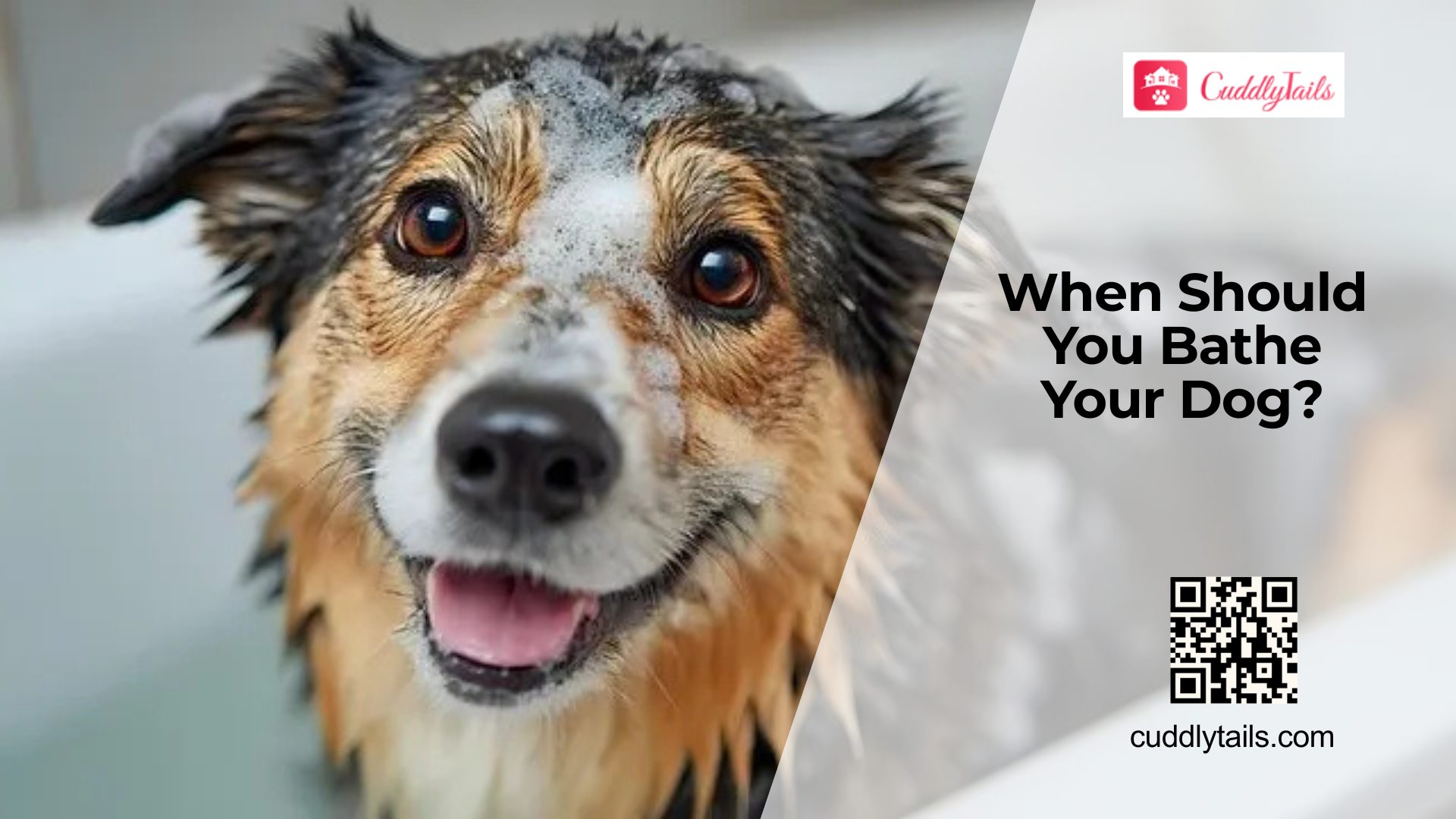
How Often Should You Really Bathe Your Dog?
Most people bathe their dog way too often thinking it keeps them clean and smelling nice. In reality over-bathing strips away natural oils from the skin and coat making things worse not better. For the average healthy adult dog you really only need a proper bath every 6 to 12 weeks. Some breeds and lifestyles need even less while others can handle a bit more. The sweet spot depends on coat type, activity level, skin condition and season, not some random calendar rule.
Understanding How Often You Should Bathe Your Dog
The role of natural skin oils (sebum)
Dogs have sebaceous glands that produce sebum, a natural oily layer that waterproofs the coat keeps skin soft, repels dirt and helps fight bacteria and yeast. When you shampoo even with the mildest dog shampoo you remove a big part of this protective barrier. The skin then goes into overdrive producing extra oil to replace what was lost. That is why so many dogs get greasy, smelly and itchy within a couple weeks after a bath. It is not that they suddenly got dirty again, it is that the skin is over-correcting after you stripped its natural defense. Bathing less frequently actually lets those oils stay in balance so the coat repels dirt better and the dog smells cleaner longer.
pH difference between human and dog skin
Human skin is quite acidic around pH 5.5. Dog skin is much closer to neutral, usually between 6.2 and 7.5. Most human shampoos including baby shampoo are too harsh for dogs. They strip oils aggressively, dry the skin out and damage the protective barrier. Once that barrier is broken bacteria and yeast move in easily causing infections, hot spots, ear problems and paw licking. That is why dogs who get bathed every week or two often end up itchier and smellier over time instead of cleaner. The skin barrier gets weaker with each bath creating a cycle that is hard to break.
Coat type determines bathing tolerance
- Double-coated breeds like Huskies, Golden Retrievers, German Shepherds, Malamutes Collies, Samoyeds, Chow Chows and Akitas should almost never get frequent baths. The undercoat holds those protective oils and frequent shampooing removes them. The coat loses its waterproofing dirt sticks more easily and the dog actually gets dirtier and smellier faster. Most double-coated dogs do great with only two to four baths a year or even less if they are brushed and wiped regularly.
- Oily-skinned single-coated breeds like Labradors, Basset Hounds, Cocker Spaniels, Beagles and Dachshunds produce more natural oil so they can usually handle a bath every four to six weeks without getting too dry.
- Hairless breeds or very short-coated ones like Xoloitzcuintli Chinese Crested or American Hairless Terriers need baths more often, usually every one to three weeks because oils build up directly on the skin surface causing acne odor and irritation.
- Wiry or broken coats like Wire Fox Terriers Airedales and Schnauzers typically go every eight to twelve weeks plus professional hand-stripping or clipping every couple months.
- Curly or corded coats like Poodles Labradoodles Portuguese Water Dogs and Komondors need baths every four to eight weeks but only with very gentle shampoo and excellent brushing and drying to prevent matting.
- Short smooth coats like smooth Dachshunds Whippets Boston Terriers and Boxers often only need baths every eight to sixteen weeks. Many can go months without a full shampoo if brushed and wiped regularly.
Lifestyle & environment matter more than the calendar
- City apartment dogs that rarely get dirty can easily go three to five months between baths. Many barely need baths at all if brushed and wiped weekly.
- Active family dogs with yard access usually do well every six to ten weeks.
- Outdoor adventure hunting or mud-loving dogs can be bathed every four to eight weeks or just rinsed as needed. Full shampoo should still be kept minimal.
- Show dogs with long perfectly groomed coats often get bathed every four to six weeks but only with ultra-gentle products and professional grooming.
- Allergy yeast or hot-spot prone dogs sometimes need medicated baths every one to four weeks but only with prescription shampoo, never regular shampoo that often.
- Puppies before twelve to sixteen weeks should only be bathed when really dirty. Their skin is very sensitive and they chill easily. Use puppy-specific gentle shampoo in a warm room and dry very thoroughly.
- Senior dogs or dogs with arthritis mobility issues should bathe less often because the process is stressful and hard to dry properly.
What Happens When You Don’t Bathe Your Dog Often
Skipping baths or waiting too long leads to several issues that affect comfort and health. Dirt, oil, and debris accumulate in the coat, creating a breeding ground for bacteria and yeast. This can result in skin infections, hot spots, or unpleasant odors that become noticeable to everyone around.
Matted fur is common in longer-coated breeds when baths are neglected, pulling on the skin and causing pain or restricting airflow, which worsens irritation. Parasites like fleas, ticks, or mites thrive in unclean coats, leading to itching, scratching, and potential disease transmission. Buildup of allergens or environmental grime can trigger or worsen allergies, resulting in red, inflamed skin or sores from excessive chewing.
In severe cases, poor hygiene contributes to broader problems like urinary tract issues if soiled areas aren’t cleaned, or secondary infections that require veterinary treatment. Your dog may become uncomfortable, restless, or develop behavioral changes from constant itching.
What Can We Do to Prevent Over-Bathing and Keep the Dog Clean Without Frequent Baths
Immediate short-term actions
- Switch to a proper gentle dog shampoo pH balanced moisturizing oatmeal-based or veterinary medicated only when needed.
- Brushing two to four times per week removes loose hair, distributes oils and reduces odor.
- Do a weekly wipe-down with pet-safe grooming wipes or damp microfiber cloth removes surface dirt pollen dander.
- Use dry shampoo waterless bath spray or foaming mousse between real baths for quick refresh.
Longer-term habits
- Feed a high-quality diet rich in omega-3 from fish oil or salmon healthier skin less odor.
- Using a humidifier in dry winter months prevents skin drying.
- Groom professionally every six to twelve weeks if the coat type requires it.
- Vacuum brush furniture and bedding regularly reduces dander and odor indoors.
- Keep the dog parasite-free fleas equal instant stink plus scratching.
Potential Risks
Bathing too infrequently carries risks like bacterial or yeast overgrowth leading to infections, parasite infestations, matted fur causing pain, and worsened allergies or hot spots. Neglected coats can hide lumps, sores, or other health issues during routine checks.
On the flip side, bathing too often, especially with harsh shampoos strips natural oils, causing dry, flaky, itchy skin, dandruff, increased shedding, or a dull coat. Overbathing can disrupt the skin barrier, making it more prone to irritations, allergies, or infections. In some breeds, frequent baths damage coat texture or lead to greasiness as the skin overproduces oil to compensate.
Conclusion
Finding the right bathing frequency for your dog comes down to observing their unique needs rather than following a strict calendar. Most dogs thrive with baths somewhere between every few weeks to every few months, supported by consistent brushing and spot care. This approach keeps their skin healthy, coat shiny, and them comfortable without unnecessary stress. Prioritize gentle products, thorough drying, and regular veterinary check-ins to ensure grooming supports long-term wellness. A well-groomed dog is a happier, healthier companion who tailors the routine to your pup, and both of you will benefit.
FAQs
How often should I bathe a short-haired dog?
Short-haired dogs usually need baths every 1 to 3 months, as their coats shed dirt easily. Active ones or those with oily skin might require more frequent cleaning.
Do double-coated breeds need less bathing?
Yes, breeds like Huskies or Labs often do best with baths every 6 to 12 weeks. Their coats naturally manage oils and dirt through shedding.
Is it okay to bathe my dog weekly?
It can be fine for oily-skinned, hairless, or high-maintenance breeds using gentle shampoos, but for most dogs it risks drying out skin. Monitor for itchiness or flaking.
What if my dog has skin allergies?
Consult a vet, they may recommend medicated or hypoallergenic shampoos and a tailored frequency, often more regular to manage symptoms.
Can I use baby shampoo on my dog?
Avoid it, human shampoos, even mild ones, disrupt canine skin pH. Always choose dog-specific formulas.
How do I know if my dog needs a bath?
Signs include strong odor, visible dirt, greasy feel, excessive scratching, or matted fur. Trust your senses and your dog’s behavior.