
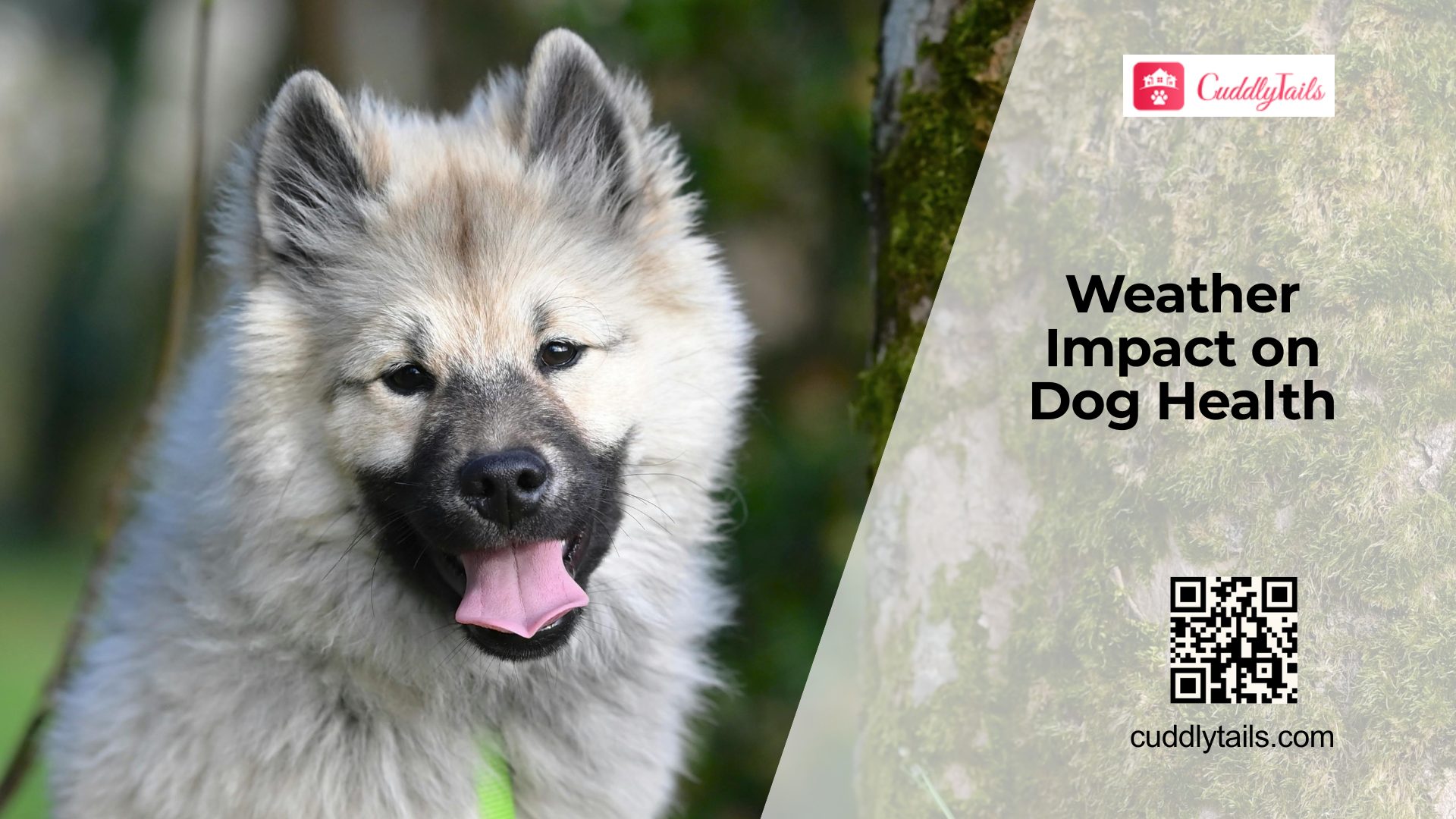
Weather Changes and Dog Health
Weather changes and dog health are closely connected in ways many owners don’t fully realise. From sudden temperature drops in winter to rising humidity in summer or shifting pollen levels in spring and autumn, each season brings unique challenges that can impact your dog’s physical and mental well-being. Rapid weather fluctuations can trigger allergies, joint pain, respiratory issues, anxiety, and even heatstroke or hypothermia. Understanding how weather changes affect dog health helps you take proactive steps to keep your pet comfortable and safe all year round.
Why Weather Changes Impact Dog Health
Dogs are highly sensitive to environmental changes because they cannot regulate their body temperature as efficiently as humans. Their fur provides insulation in cold weather but can trap heat in summer, while their limited ability to sweat makes them vulnerable to both heat and cold stress. Rapid shifts in temperature, humidity, barometric pressure, and air quality can stress the immune system, aggravate existing conditions, and trigger new health problems. Senior dogs, puppies, brachycephalic breeds, and those with pre-existing conditions like arthritis or respiratory issues are especially affected. By recognizing the connection between weather changes and dog health, owners can adjust routines, modify environments, and seek timely veterinary care to minimise risks.
Get help from a CuddlyTails AI vet here.
Spring: Allergies, Pollen, and Awakening Issues
Spring brings blooming plants and rising pollen counts, which are major triggers for seasonal allergies in dogs. Environmental allergens cause intense itching, paw licking, ear infections, and skin redness. Many dogs also experience increased shedding and dry skin as temperatures rise. Rainy spring weather can lead to higher flea and tick activity, increasing the risk of parasite-borne diseases. Sudden warm spells followed by cold snaps can stress the immune system and cause respiratory irritation. To protect your dog during spring, wipe paws after outdoor time, use vet-recommended antihistamines or Cytopoint injections for allergies, and maintain strict flea and tick prevention. Regular grooming helps remove pollen and loose fur, reducing skin irritation caused by weather changes.
Summer: Heat, Humidity, and Heatstroke Risks
Summer is the most dangerous season for weather changes and dog health. High temperatures and humidity make it difficult for dogs to cool down, significantly raising the risk of heatstroke. Brachycephalic breeds, overweight dogs, and seniors are at greatest risk. Signs of heat stress include excessive panting, drooling, bright red gums, and weakness. Never leave dogs in parked cars, even for a few minutes. Limit exercise to early morning or evening, provide constant access to shade and cool water, and use cooling mats or vests when necessary. Humid weather can also worsen skin infections and hot spots. Keeping dogs safe during summer requires strict supervision and proactive cooling strategies to prevent life-threatening heat-related illnesses.
For more information on heatstroke and how to care for your dog during summer, check out this blog here.
Autumn: Joint Pain, Shedding, and Allergy Flare-Ups
As temperatures drop in autumn, many dogs experience increased joint stiffness and arthritis pain due to falling barometric pressure and damp weather. Heavy shedding is common as dogs prepare their winter coat, which can lead to dry skin and itching if not managed. Falling leaves and mold spores can trigger respiratory allergies and coughing. Some dogs become more anxious during stormy autumn weather. Support joint health with glucosamine supplements, warm bedding, and gentle exercise. Regular brushing helps manage shedding and distributes natural skin oils. Monitoring air quality and using HEPA filters indoors can reduce autumn allergy symptoms. These adjustments help dogs transition smoothly through seasonal weather changes.
Winter: Cold Stress, Dry Air, and Reduced Activity
Winter brings freezing temperatures, snow, ice, and dry indoor air, all of which challenge dog health. Short-coated and small breeds are at high risk of hypothermia and frostbite on ears, tails, and paw pads. Road salt and de-icing chemicals can irritate paws and cause gastrointestinal upset if licked. Dry heated air leads to flaky skin, increased shedding, and respiratory irritation. Many dogs become less active in winter, raising the risk of weight gain and muscle loss. Provide warm, insulated bedding, use paw balms before walks, and rinse paws after outdoor time. Shorter but more frequent walks help maintain fitness without overexposure to cold. These measures are essential for keeping dogs healthy through harsh winter weather changes.
Barometric Pressure and Storm Anxiety
Rapid changes in barometric pressure before storms can trigger anxiety and physical discomfort in sensitive dogs. Many dogs become restless, pant, pace, or hide during approaching thunderstorms or heavy rain. Some experience joint pain or headaches due to pressure shifts. Creating a safe, quiet “storm shelter” with familiar bedding, white noise, and calming music can help. Thunder-Shirts or pheromone diffusers provide additional comfort. Recognizing the link between weather pressure changes and dog behavior allows owners to prepare in advance and reduce stress during stormy periods.
Practical Tips to Protect Your Dog During Weather Changes
Monitor Weather Forecasts
Check daily forecasts and air quality reports. Plan outdoor activities for cooler parts of the day during hot weather and limit time outside when temperatures drop significantly.
Provide Proper Shelter and Clothing
For cold weather, use dog coats or sweaters for short-haired or small breeds. Ensure your dog has a warm, dry shelter if they spend time outdoors. In hot weather, provide shaded areas and cooling mats.
Adjust Exercise Routines
Shorten or reschedule walks during extreme temperatures. Indoor exercise or mental stimulation games can replace outdoor activity when the weather is unsuitable.
Maintain Skin and Paw Care
Dry your dog thoroughly after rain or snow to prevent skin infections. Use paw balm or booties to protect sensitive pads from salt, ice, or hot pavement.
Support Joint and Respiratory Health
Consider joint supplements (glucosamine, omega-3s) for dogs with arthritis, especially during cold weather. Use air purifiers and keep windows closed during high pollen seasons to reduce allergy symptoms.
Create a Safe Indoor Environment
Provide a quiet, comfortable space during storms or extreme weather. Use white noise machines or calming music to reduce anxiety. Ensure fresh water is always available and monitor for signs of heat stress or hypothermia.
When to Seek Veterinary Help
Contact your veterinarian if your dog shows any of the following during weather changes:
- Excessive panting or difficulty breathing in heat
- Shivering, lethargy, or reluctance to move in cold
- Persistent coughing or wheezing
- Sudden changes in appetite or water intake
- Skin irritation, hot spots, or ear infections after damp weather
- Signs of pain or stiffness that worsen with temperature changes
Early veterinary intervention can prevent minor issues from becoming serious health problems.
Conclusion
Weather changes and dog health are deeply interconnected, with each season bringing its own set of challenges and risks. From spring allergies and summer heatstroke to autumn joint pain and winter cold stress, understanding how environmental shifts affect your dog allows you to take proactive, effective measures. By monitoring your dog closely, adjusting exercise and diet seasonally, improving home comfort, and maintaining regular veterinary care, you can significantly reduce weather-related health problems. Every small action, from wiping paws after walks to providing orthopedic bedding, contributes to your dog’s comfort and longevity. Stay alert to the effects of weather changes on your dog and create a safe, adaptable routine that keeps them healthy and happy all year round.
FAQs
How do weather changes affect dogs?
Weather shifts can trigger allergies, joint pain, heatstroke, anxiety, and respiratory issues depending on the season and your dog’s breed and health status.
What are the signs of heat stress in dogs?
Excessive panting, drooling, bright red gums, weakness, and collapse are key signs. Immediate cooling and veterinary care are essential.
Do dogs get joint pain from cold weather?
Yes. Dropping temperatures and damp conditions often worsen arthritis and joint stiffness in dogs, especially seniors.
How can I protect my dog from weather changes?
Adjust exercise timing, provide proper shelter and bedding, maintain year-round parasite prevention, and monitor for early signs of discomfort.
Are certain dog breeds more affected by weather?
Yes. Brachycephalic breeds struggle more in heat, while small and short-coated breeds are more vulnerable to cold. Large breeds often face greater joint issues in changing weather.