
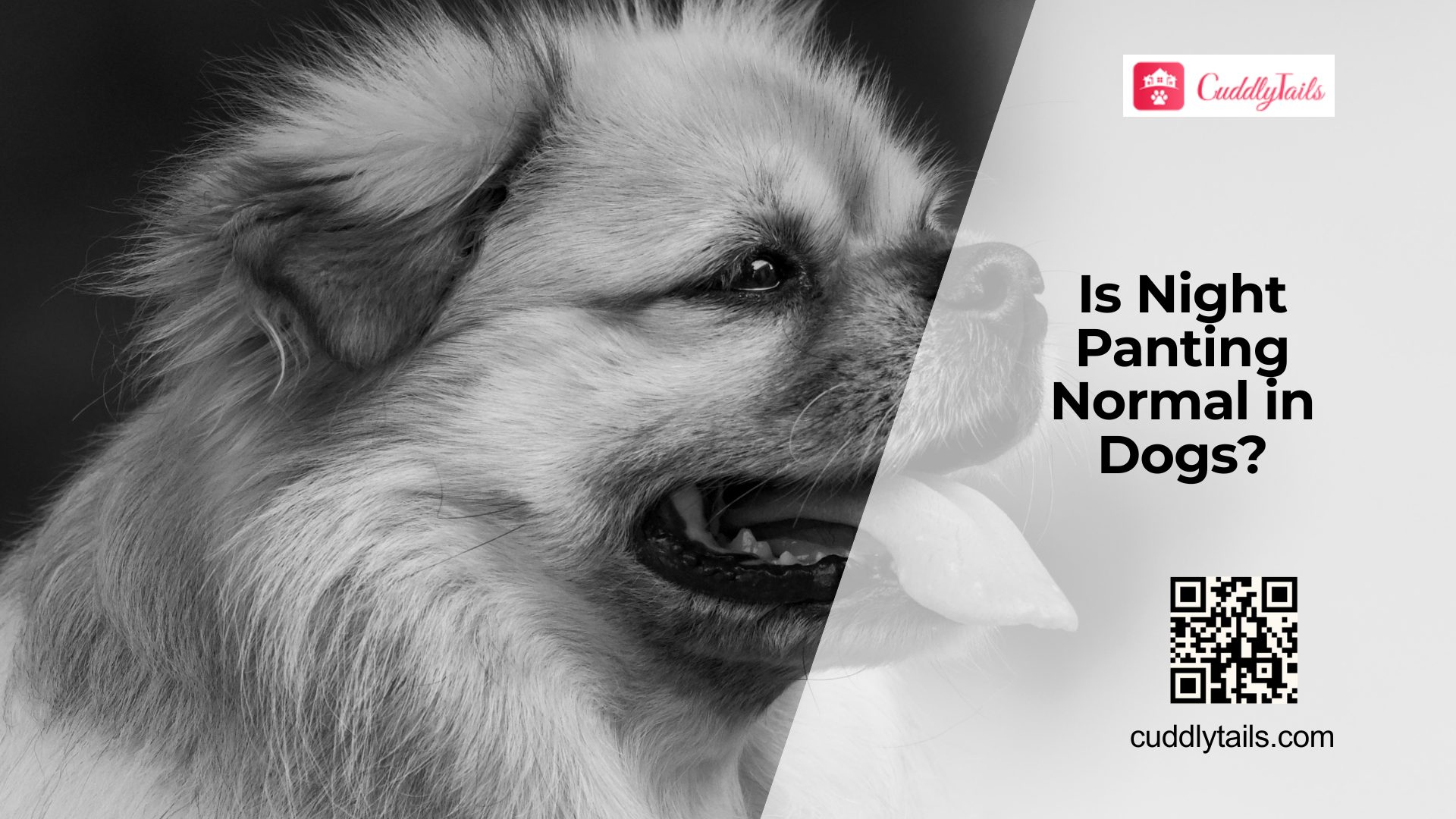
Why Is My Dog Panting So Much at Night
If you’ve ever woken up to the sound of heavy panting beside your bed, you’re not alone. Many dog owners ask the same question: “Why is my dog panting so much at night?” While occasional panting is normal, excessive nighttime panting can be worrying and often signals an underlying issue. Dogs pant to regulate body temperature, but when it happens persistently at night, when the house is cool and your dog should be resting, it usually points to pain, anxiety, respiratory problems, or other medical conditions.
Normal Panting vs Excessive Nighttime Panting
All dogs pant to cool themselves, especially after exercise or in warm weather. Normal panting is usually short-lived and occurs when the dog is hot, excited, or recovering from activity. However, panting that continues for hours at night, when the environment is cool and calm, is not normal. Excessive nighttime panting is often louder, more labored, and accompanied by restlessness or pacing. It can prevent both you and your dog from getting quality sleep. Recognizing the difference between normal cooling and problematic panting is the first step toward identifying why your dog is panting so much at night and addressing the root cause.
Common Medical Causes of Nighttime Panting
Pain and Discomfort
Pain is one of the leading reasons dogs pant excessively at night. Arthritis, hip dysplasia, back pain, or abdominal discomfort can make it hard for dogs to find a comfortable position. When lying down, pressure on sore joints increases, triggering panting as a stress response. Senior dogs are especially prone to this because degenerative joint disease worsens with age. If your dog pants more at night but seems fine during the day, pain that becomes noticeable only when resting is a strong possibility.
Heart and Respiratory Problems
Heart disease and respiratory conditions frequently cause nighttime panting. Dogs with congestive heart failure or mitral valve disease struggle to get enough oxygen, leading to increased breathing effort, especially when lying down. Collapsing trachea, laryngeal paralysis, and brachycephalic airway syndrome (common in flat-faced breeds like Bulldogs and Pugs) also worsen at night when the dog is relaxed. These conditions often produce noisy breathing, coughing, or gasping sounds along with panting.
Cushing’s Disease and Hormonal Imbalances
Cushing’s disease (hyperadrenocorticism) is a common hormonal disorder in middle-aged and older dogs that frequently causes excessive panting, especially at night. The overproduction of cortisol leads to increased thirst, frequent urination, pot belly, and restlessness. Other hormonal issues like hypothyroidism can indirectly contribute to panting through weight gain and reduced stamina.
Anxiety and Stress-Related Panting
Anxiety is a major behavioral cause of nighttime panting. Dogs with separation anxiety, noise phobias, or general nervousness may pant heavily when the house is quiet and dark. Storm anxiety or fear of being alone can trigger panting that lasts for hours. Some dogs develop nighttime anxiety after changes in routine, such as a new baby, moving house, or the loss of a companion animal.
Other Possible Reasons for Nighttime Panting
Environmental factors can also play a role. Overheated rooms, poor ventilation, or uncomfortable bedding may cause dogs to pant at night. Certain medications, particularly steroids, are known to increase panting as a side effect. Obesity makes dogs work harder to breathe and regulate temperature, worsening nighttime panting. In rare cases, neurological issues or brain tumors can affect the part of the brain that controls breathing and temperature regulation.
Warning Signs That Require Immediate Veterinary Care
Not all nighttime panting needs emergency attention, but certain symptoms mean you should contact your vet right away:
- Panting accompanied by pale or bluish gums
- Labored breathing or gasping
- Collapse or extreme weakness
- Panting that starts suddenly and is very intense
- Panting combined with vomiting, diarrhea, or lethargy
If your dog shows any of these signs, seek emergency veterinary care immediately. Rapid breathing at night can quickly lead to exhaustion and serious complications if left untreated.
How to Help Your Dog Stop Panting at Night
Create a Comfortable Sleep Environment
Start by optimizing your dog’s sleeping area. Use an orthopedic bed that supports joints and keeps them cool. Ensure the room temperature is comfortable (around 68–72°F / 20–22°C) and well-ventilated. A white noise machine or calming music can reduce anxiety-related panting. For dogs with joint pain, a ramp or pet stairs can help them get on and off the bed more easily.
Address Underlying Medical Issues
Schedule a veterinary visit for a full examination, including blood work, chest X-rays, and possibly an echocardiogram if heart disease is suspected. Treating the root cause, whether it’s pain management for arthritis, medication for heart disease, or anxiety support, is the most effective way to reduce nighttime panting.
Manage Anxiety and Stress
For anxiety-related panting, establish a consistent bedtime routine with calming activities like gentle massage or puzzle toys before bed. Pheromone diffusers (Adaptil) or calming supplements containing L-theanine can help many dogs relax. In severe cases, your vet may prescribe short-term anti-anxiety medication while behavior modification takes effect.
Support Overall Health and Comfort
Maintain a healthy weight to reduce respiratory effort. Provide plenty of daytime exercise and mental stimulation so your dog is naturally tired by bedtime. Avoid feeding large meals close to bedtime, as digestion can increase body heat and discomfort.
When to Seek Specialist Help
If your regular vet cannot identify the cause or if panting continues despite treatment, ask for a referral to a veterinary cardiologist, neurologist, or behaviorist. Advanced diagnostics such as CT scans, MRIs, or sleep studies may be recommended in complex cases. Don’t hesitate to seek specialist care, persistent nighttime panting significantly affects both your dog’s and your own quality of life.
Get help from a CuddlyTails AI vet here.
Conclusion
Excessive nighttime panting in dogs is rarely “normal” and often points to pain, heart or respiratory problems, anxiety, or other medical conditions. By understanding the common causes, recognizing warning signs, and taking prompt action, you can help your dog breathe easier and sleep more peacefully. Start by creating a comfortable sleep environment, scheduling a thorough veterinary check-up, and addressing any underlying issues. With the right diagnosis and care, most dogs with nighttime panting can return to restful, healthy sleep. Don’t ignore persistent panting, your dog’s comfort and long-term health depend on your attention and care.
FAQs
Why is my dog panting so much at night?
Common causes include pain (arthritis), heart disease, respiratory issues, anxiety, or overheating. A vet visit is recommended for persistent panting.
Is it normal for dogs to pant at night?
Mild panting can occur, but loud, continuous, or labored panting at night is usually not normal and needs investigation.
Can anxiety cause nighttime panting in dogs?
Yes. Separation anxiety, storm phobia, or general nervousness often causes dogs to pant heavily when the house is quiet.
What should I do if my dog is panting at night?
Ensure the room is cool, check for pain or discomfort, and schedule a vet appointment if the panting is frequent or intense.
Can heart disease cause panting at night?
Yes. Heart conditions often worsen when the dog lies down, leading to increased panting and restlessness during the night. Early diagnosis is important.