
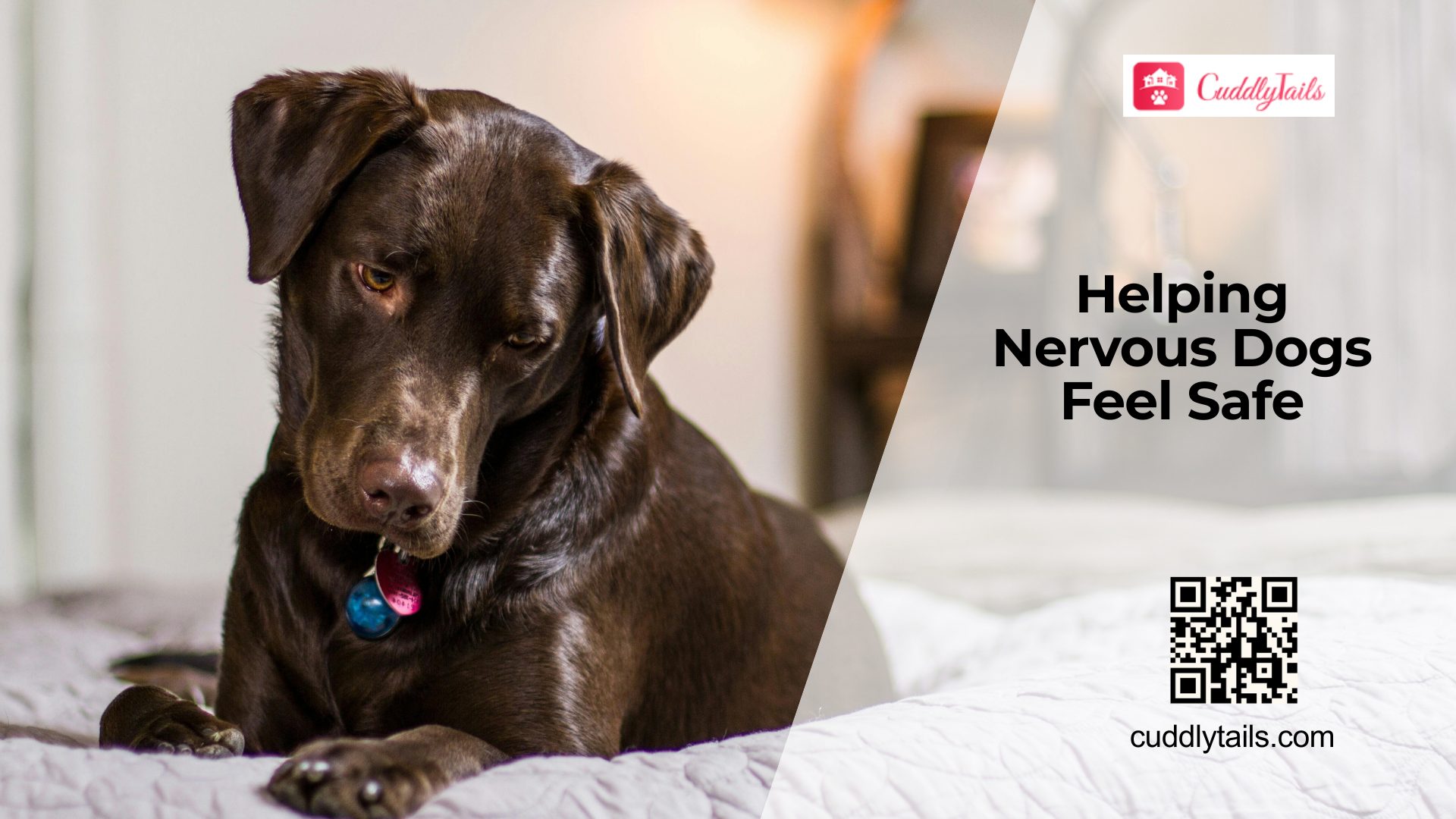
How to Help an Anxious Dog Feel Safe Again
Anxious dogs live in a world that often feels overwhelming. Thunderstorms, separation from their owner, new visitors, or even a change in routine can trigger intense fear responses that leave them trembling, pacing, hiding, or destroying things. The good news is that with patience, consistency, and the right strategies, most anxious dogs can learn to feel safe again. This guide walks you through understanding anxiety, creating a secure environment, using proven techniques, and knowing when professional help is needed.
Recognizing the Signs of Anxiety in Dogs
The first step is learning to read your dog’s body language. Common signs include panting when it’s not hot, pacing or restlessness, hiding under furniture, trembling, excessive drooling, destructive chewing (especially when alone), barking or whining more than usual, and refusing food. Some dogs show “subtle” signs like lip licking, yawning when not tired, or avoiding eye contact. Severe anxiety may include aggression out of fear or full-blown panic attacks during triggers like fireworks.
Anxiety isn’t just “being nervous.” It is a physiological state where the dog’s stress hormones (cortisol and adrenaline) stay elevated, keeping them in a constant fight-or-flight mode. Over time this exhausts the body and can lead to health problems like digestive issues or weakened immunity. Observing patterns, does anxiety happen only when you leave, during storms, or around certain people, helps identify triggers and guides your plan.
Understanding Common Causes of Anxiety
Common Causes of Anxiety in Dogs
Genetic Predisposition
Some breeds, including German Shepherds, Border Collies, and certain terriers, are naturally more prone to anxiety.
Early Socialization Gaps
Puppies not properly socialized between 3–14 weeks may develop fear-based behaviors later in life.
Trauma and Negative Experiences
Abuse, accidents, loud noises, or other frightening events can create long-lasting phobias.
Underlying Medical Conditions
Thyroid imbalances, arthritis pain, vision or hearing loss, and other health issues can trigger or worsen anxiety symptoms.
Specific Types of Anxiety
Separation Anxiety
Affects up to 20% of dogs and often develops after major life changes such as moving homes, a new baby, or shifts in routine.
Noise Phobias
Fear of thunder or fireworks can intensify over time and may extend to other loud sounds.
Understanding the root cause prevents you from treating symptoms in isolation and helps you choose the most effective solutions.
Creating a Safe Physical Environment
Your home should become a sanctuary. Start by designating a “safe zone” : a quiet corner, crate, or small room where your dog can retreat. Make it comfortable with their favorite bed, familiar blankets, and calming scents (worn clothes that smell like you work well). Use white noise machines or calming music playlists designed for dogs to mask outside sounds.
Block visual triggers: close curtains during storms or when neighbors are active. For separation anxiety, practice short absences while leaving the safe zone accessible. Ensure the area is escape-proof but not confining dogs feel trapped in locked crates if they panic. Remove anything that could be chewed destructively during anxiety episodes. Consistency is key: the safe zone should always be available and never used for punishment.
Building Emotional Safety Through Routine and Predictability
Dogs feel safest when they know what to expect. Establish a daily routine for meals, walks, play, and alone time. Predictable schedules reduce uncertainty, which is a major anxiety driver. Use cue words like “settle” paired with a calm mat or bed, rewarding calm behavior with treats or praise.
Counter-conditioning is powerful, pair triggers with positive experiences. For example, if thunder scares your dog, play a low-volume recording of thunder while offering high-value treats, gradually increasing volume as your dog stays relaxed. This rewires the emotional response from fear to neutrality or even positivity. Never punishing, anxious behavior increases fear. Instead, redirect gently and reward calm moments.
Practical Techniques for Immediate Relief
When anxiety spikes, use these techniques:
- Calming Aids: Dog-appeasing pheromone diffusers (Adaptil) or collars release synthetic “mother dog” pheromones that reduce stress in many dogs.
- Pressure Wraps: Thunder-Shirts or anxiety wraps apply gentle pressure, similar to swaddling a baby, helping some dogs feel secure.
- Distraction and Enrichment: Long-lasting chews, lick mats with frozen peanut butter (xylitol-free), or puzzle toys shift focus from fear to problem-solving.
- Gentle Exercise: A short, calm walk before known triggers (e.g., before fireworks season) can tire the body and lower baseline stress.
- Music and Sound Therapy: Classical music or specially composed dog relaxation tracks (Through a Dog’s Ear) can lower heart rate and cortisol.
These are not cures but valuable bridges while you work on long-term desensitization.
When to Seek Professional Help
Home strategies work for mild anxiety, but moderate to severe cases need professional input. A veterinary behaviorist or certified trainer using force-free methods can create a customized plan.
You can reach out to a Cuddlytails vet here.
They may recommend:
- Desensitization and Counter-Conditioning (DS/CC): Gradual exposure to triggers paired with positive outcomes.
- Medications: Short-term anti-anxiety drugs (e.g., trazodone, fluoxetine) to lower the fear threshold so training works better.
- Behavior Modification Plans: Structured exercises to build confidence.
Don’t wait until your dog is destroying doors or injuring themselves. Early intervention prevents anxiety from becoming entrenched.
Conclusion
Helping an anxious dog feel safe again is a journey of patience, empathy, and science-based methods. By creating a secure environment, using counter-conditioning, supporting diet and calming aids, and seeking professional help when needed, most dogs can learn that the world is not as scary as it once seemed. The process strengthens your bond and improves your dog’s quality of life dramatically. Progress is rarely linear, but every calm moment is a victory. With time and the right support, your anxious dog can become confident and content once more.
FAQs
How do I know if my dog has anxiety or is just being stubborn?
Anxiety shows consistent stress signals like trembling, pacing, excessive panting, hiding, destructive behavior when alone, or fear during specific triggers. It’s not disobedience, it’s a stress response.
Can dog anxiety go away on its own?
Mild anxiety may improve with stability and routine, but most cases require active management. Without intervention, anxiety often worsens over time.
What is the fastest way to calm an anxious dog?
Provide a quiet safe space, reduce stimuli, use calming aids (like pheromone diffusers or pressure wraps), and speak in a calm, steady tone. Avoid punishment, as it increases fear.
Does exercise help with anxiety?
Yes. Regular physical activity and mental enrichment lower baseline stress levels and reduce anxiety-related behaviors.
Are calming supplements safe for dogs?
Some are helpful, but effectiveness varies. Always consult a veterinarian before giving supplements to ensure proper dosing and safety.
When should I see a veterinarian for dog anxiety?
If anxiety leads to aggression, self-injury, destruction, panic attacks, or doesn’t improve with home strategies, professional guidance is necessary.
Can anxious dogs fully recover?
Many dogs significantly improve with consistent training, environmental support, and professional guidance. Progress takes time, but long-term improvement is very achievable.