
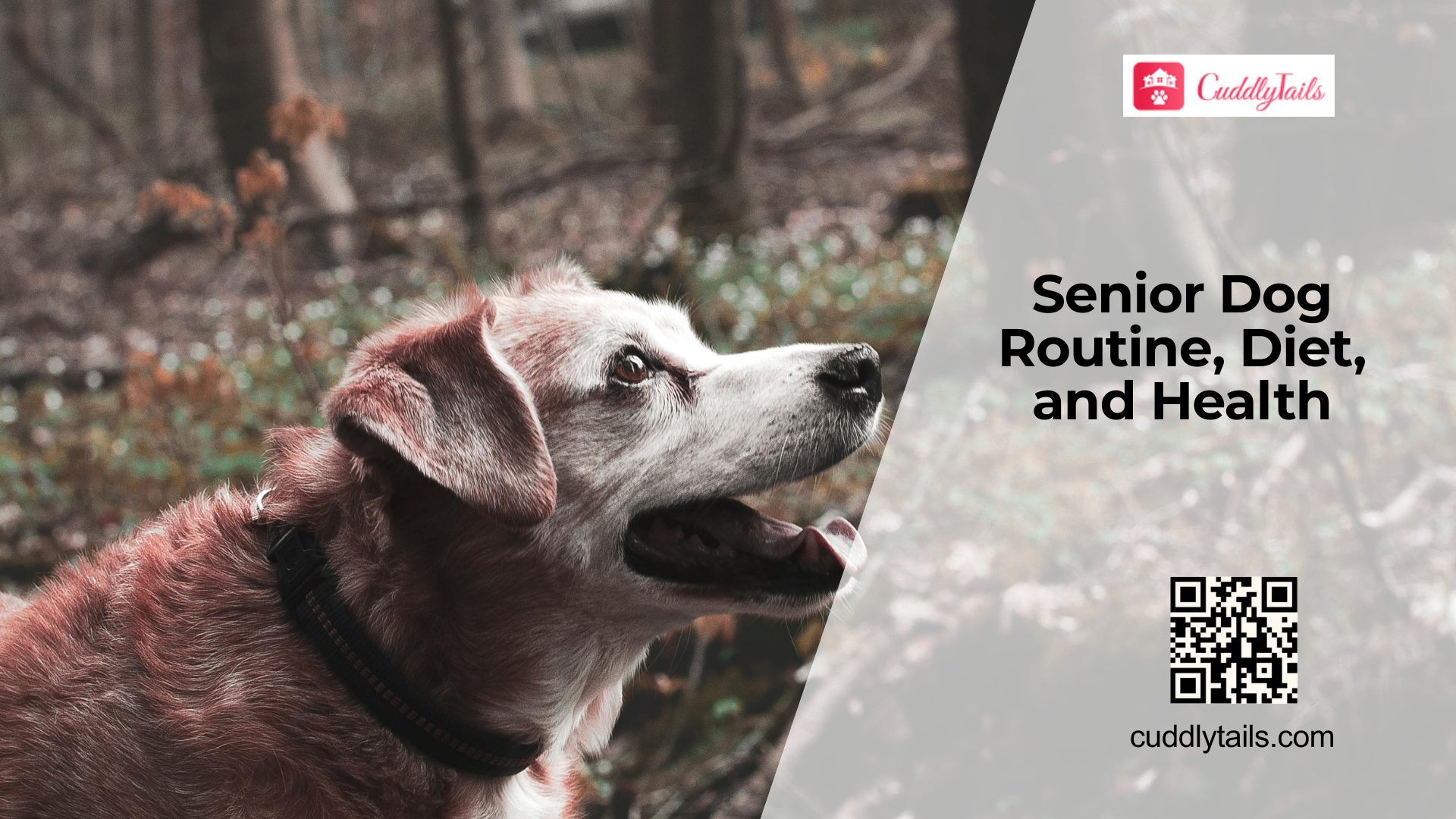
Senior Dog Care by Age Stage: Daily Routine, Diet, and Health Tips
As dogs enter their senior years, their needs change significantly. What worked perfectly at age 5 may no longer be suitable at age 10 or 12. A thoughtful senior dog care routine tailored to each life stage helps maintain mobility, cognitive function, and overall quality of life. Whether your dog is just turning 7 or already in their golden years, understanding age-specific requirements makes a huge difference. This guide breaks down practical senior dog care routines by age stage, covering nutrition, exercise, grooming, health monitoring, and daily habits to help your ageing companion stay comfortable and happy.
Early Senior Stage (7–9 Years)
Physical and Behavioral Changes
Between 7 and 9 years, many dogs begin showing subtle signs of ageing. You may notice slightly reduced stamina during walks, minor stiffness after resting, or a tendency to sleep more. Smaller breeds often reach this stage later than large breeds. Metabolism slows down, making weight management important. Joints start to show early wear, and cognitive sharpness may begin to soften.
Nutrition Adjustments
Switch to a senior-formula diet with lower calories, higher fibre, and added joint-supporting nutrients like glucosamine and chondroitin. Look for foods with high-quality protein to maintain muscle mass without overloading the kidneys. Wet food or soaked kibble can help dogs with emerging dental issues. Divide meals into 2–3 smaller portions daily to aid digestion and prevent bloating.
Exercise and Mobility Support
Continue daily walks but reduce intensity. Aim for 20–40 minutes of gentle activity split into two sessions. Swimming or hydrotherapy is excellent for low-impact joint exercise. Incorporate short play sessions with soft toys to keep them mentally engaged without overexertion. Watch for limping or reluctance to climb stairs, these are early signals to modify activity.
Grooming and Skin Care
Brush more frequently to stimulate skin oils and remove loose fur. Older dogs often develop drier skin, so use moisturising shampoos every 4–6 weeks. Check ears, teeth, and nails weekly. Dental disease accelerates in seniors, so daily tooth brushing or dental chews become essential.
Check our Dog skin care blog here for more info.
Health Monitoring
Schedule vet check-ups every 6 months instead of annually. Blood work helps detect early kidney, liver, or thyroid changes. Monitor weight closely, even 5–10% gain can stress ageing joints. Keep a daily journal of appetite, energy levels, and bathroom habits to spot patterns early.
You can reach out to a Cuddlytails vet here.
Mid Senior Stage (10–12 Years)
Physical and Behavioral Changes
At this stage, arthritis often becomes noticeable. Dogs may hesitate before jumping, move more slowly, or show stiffness after naps. Cognitive changes like forgetting commands or getting “lost” in familiar rooms can appear. Sleep patterns shift, with more daytime napping and possible night-time restlessness.
Nutrition Adjustments
Prioritise senior diets formulated for joint health and easier digestion. Consider prescription renal-support diets if blood work shows early kidney changes. Add omega-3 fatty acids (fish oil) to reduce inflammation. Some dogs benefit from smaller, more frequent meals to manage reduced appetite or nausea.
Exercise and Mobility Support
Shorten walks to 15–30 minutes but keep them consistent. Use a harness instead of a collar to reduce neck strain. Ramps or pet stairs for furniture and cars prevent joint stress. Gentle massage or warm compresses after activity can ease muscle soreness. Swimming remains ideal if accessible.
Grooming and Skin Care
Increase grooming frequency to twice weekly. Older coats mat more easily, especially in long-haired breeds. Use hypoallergenic, moisturizing products. Regular ear cleaning prevents infections. Dental care becomes critical, professional cleanings under anaesthesia may be needed every 6–12 months.
Health Monitoring
Vet visits every 6 months with full senior blood panels, urinalysis, and blood pressure checks. Screen for cognitive dysfunction syndrome (dog dementia) using simple at-home observation. Track medication needs carefully as metabolism slows. Watch for subtle signs of pain like reduced play or changes in posture.
Advanced Senior Stage (13+ Years): Comfort and Dignity First
Physical and Behavioural Changes
Dogs in this stage often have significant arthritis, reduced muscle mass, and possible cognitive decline. Vision and hearing may fade. Many sleep most of the day and need help with basic movements. Incontinence or accidents can occur due to weakened bladder control.
Nutrition Adjustments
Focus on highly palatable, easily digestible senior or senior-plus formulas. Some dogs need assisted feeding or elevated bowls to reduce neck strain. Hydration is critical, add water or broth to food if drinking decreases. Appetite stimulants may be prescribed if eating becomes challenging.
Exercise and Mobility Support
Very short, slow walks (5–15 minutes) several times daily maintain circulation without exhaustion. Use a supportive sling or harness for rear-end support on longer outings. Provide soft, orthopaedic beds and ramps everywhere needed. Physical therapy or laser treatments can improve mobility and reduce pain.
Grooming and Skin Care
Gentle, frequent grooming prevents matting and skin issues. Use warm water and very mild shampoos. Clean facial folds daily in brachycephalic breeds. Professional grooming every 4–6 weeks is often necessary for comfort and hygiene.
Health Monitoring
Vet visits every 3–6 months become standard. Focus on quality-of-life assessments rather than aggressive treatments. Pain management, joint supplements, and cognitive support supplements (e.g., Senilife) are commonly prescribed. Monitor daily for signs of discomfort or confusion.
Creating a Consistent Daily Senior Dog Care Routine
A predictable routine reduces anxiety in senior dogs. Sample daily schedule:
- Morning: Gentle walk, breakfast, medication
- Mid-morning: Short potty break and quiet time
- Afternoon: Light play or puzzle toy, second meal
- Evening: Short walk, dinner, calming activities
- Night: Final potty break, comfortable sleep area
Adjust timing based on your dog’s needs and energy levels. Consistency provides security and helps manage symptoms like cognitive dysfunction.
When to Consult a Vet Immediately
Contact your vet right away if you notice sudden weight loss, persistent vomiting, diarrhea, difficulty breathing, collapse, seizures, or dramatic behavioral changes. Senior dogs can deteriorate quickly, so early intervention is crucial.
Conclusion
Caring for a senior dog requires patience, observation, and adaptation as they move through different age stages. By tailoring nutrition, exercise, grooming, and veterinary care to each phase, early senior (7–9), mid senior (10–12), and advanced senior (13+), you can help your dog enjoy their golden years with dignity and comfort. Regular monitoring, a consistent routine, and open communication with your vet are the keys to success. Every senior dog deserves to feel loved, supported, and pain-free in their later years.
FAQs
At what age is a dog considered senior?
Small breeds around 7–8 years, medium breeds around 7 years, and large/giant breeds as early as 5–6 years.
How often should senior dogs visit the vet?
Every 6 months is ideal, with more frequent visits if they have chronic conditions.
What diet is best for senior dogs?
Senior-specific formulas with joint support, easier-to-digest proteins, and controlled calories. Wet food helps with hydration.
How much exercise does a senior dog need?
Short, frequent gentle walks and mental stimulation. Quality over quantity is key.
Can senior dogs still learn new tricks?
Yes! Mental stimulation through training and puzzle toys helps keep their minds sharp.