
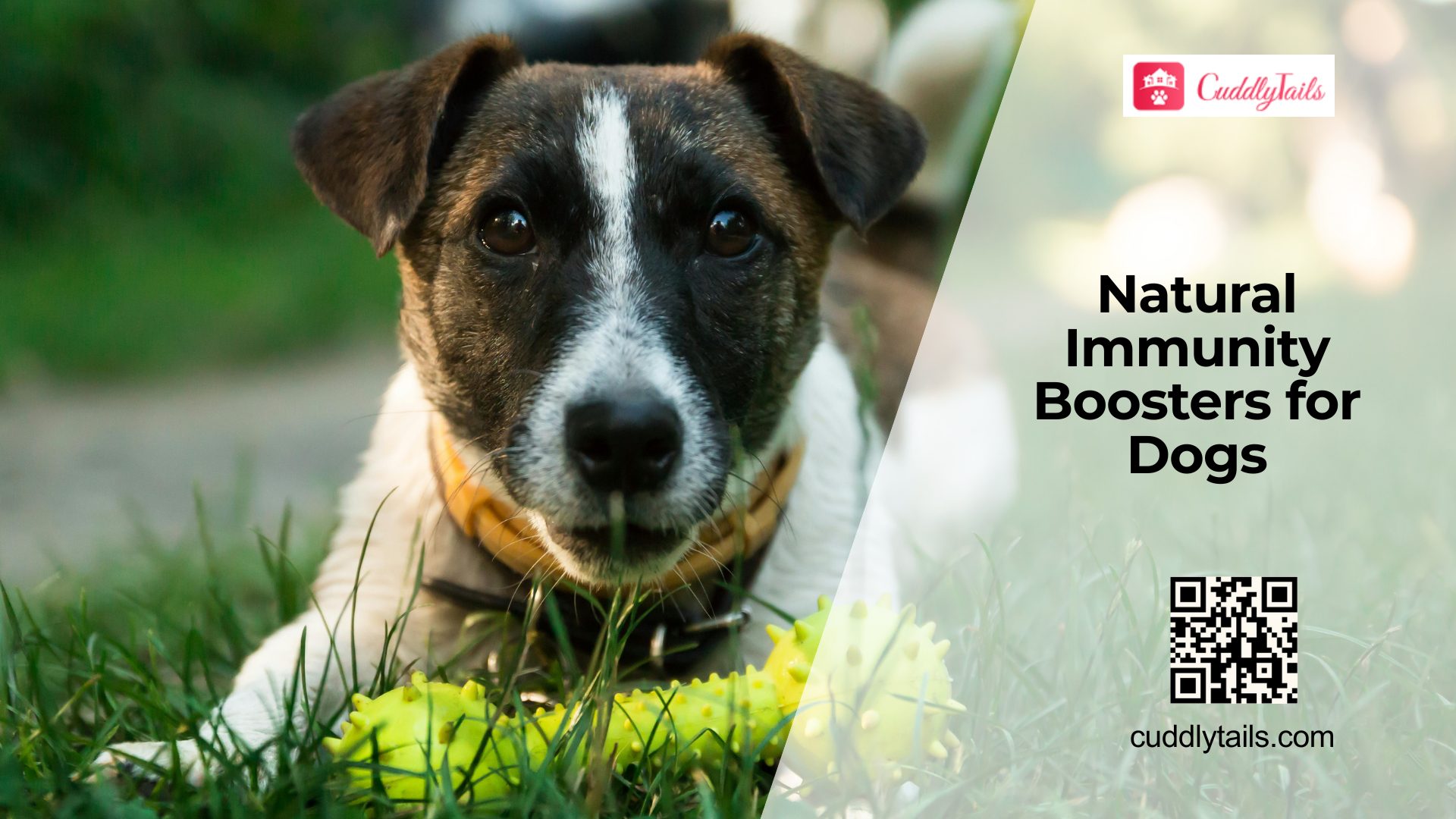
Boosting Immunity in Dogs Naturally and With Diet
Boosting immunity in dogs naturally is a priority for every pet owner who wants their furry companion to stay healthy, energetic, and resilient year-round. A strong immune system helps dogs fight off infections, recover from illnesses faster, and even manage chronic conditions like allergies or arthritis. While vaccines and vet care play key roles, diet and lifestyle changes offer powerful, natural ways to support your dog’s defenses.
Understanding Your Dog’s Immune System
How the Immune System Works in Dogs
- The immune system in dogs is a complex network of cells, tissues, and organs that protects the body from invaders such as viruses, bacteria, and parasites.
- It includes white blood cells, antibodies, and the gut microbiome.
- About 70% of a dog’s immune function is linked to the gut microbiome.
- A balanced diet helps fuel and support the immune system.
- Factors such as stress or poor nutrition can weaken immune defenses.
- Boosting immunity in dogs naturally involves supporting this system through daily habits and balanced care.
- These choices help maintain overall balance and resilience in a dog’s health.
Factors That Weaken Dog Immunity
Age, breed, and environment influence immunity. Puppies and seniors have developing or declining systems, making them vulnerable. Breeds like German Shepherds are prone to immune disorders. Poor diet, lack of exercise, chronic stress, and toxins erode defenses over time. Recognizing these factors is the first step in boosting immunity in dogs naturally, allowing you to target interventions effectively.
Natural Lifestyle Changes for Boosting Immunity in Dogs
Exercise and Outdoor Time
- Regular exercise is one of the simplest ways to boost immunity in dogs naturally.
- Moderate activity, such as daily walks for 20–30 minutes, helps improve circulation.
- Better circulation delivers oxygen and nutrients to immune cells.
- Exercise also helps reduce stress hormones that can weaken the immune system.
- For dogs living in apartments, indoor activities like fetch or puzzle toys can provide effective exercise.
- The intensity of exercise should match the dog’s age and breed.
- Overexertion can negatively affect health, so activity should remain balanced.
- Outdoor exposure allows dogs to encounter beneficial microbes in soil and grass.
Stress Reduction Techniques
- Chronic stress can weaken the immune system in dogs by increasing cortisol levels.
- Establishing a calm and consistent routine with regular feeding, play, and sleep times can help reduce stress.
- Pheromone diffusers, such as Adaptil, may help calm anxious dogs.
- Massage or gentle brushing can release endorphins, similar to the effects of natural grooming.
- For dogs with separation anxiety, gradual alone-time training can help build confidence.
- These natural stress-reduction methods support immune health in dogs.
- A secure and stable environment helps improve a dog’s overall resilience and well-being.
Quality Sleep and Rest
Dogs need 12–14 hours of sleep daily to repair tissues and produce immune cells. Provide a quiet, comfortable bed away from noise. Avoid disrupting sleep with late-night play. Naps in shaded spots during hot days support recovery. Good rest is a foundational natural way to boost immunity in dogs, allowing the body to recharge and fight threats effectively.
Diet Tips for Boosting Immunity in Dogs Naturally
Essential Nutrients for a Strong Immune System
A nutrient-dense diet is central to boosting immunity in dogs naturally. Protein from lean meats like chicken or fish supports antibody production. Antioxidants from berries (blueberries, cranberries) combat free radicals. Vitamin C from vegetables like broccoli aids collagen for skin barriers. Zinc in pumpkin seeds strengthens white blood cells. Balance is key, over-supplementing can harm. Focus on whole foods for sustained immune support.
Immune-Boosting Foods to Include
Incorporate superfoods into meals for natural immunity boosts. Yogurt or kefir provides probiotics for gut health, where 70% of immunity lives. Salmon or sardines deliver omega-3s to reduce inflammation. Turmeric (with black pepper for absorption) offers curcumin for anti-inflammatory effects, starting with 1/8 teaspoon per 10 pounds daily. Garlic (small amounts) has antimicrobial properties, but avoid excess. These foods enhance digestive health in dogs, indirectly strengthening immunity.
Sample Meal Plans by Life Stage
- Tailor diets based on a dog’s life stage for the best results.
- Puppies benefit from high-protein kibble with DHA-rich fish oil.
- A typical puppy formula may contain around 30% protein and 20% fat.
- Adult dogs require a balanced diet that includes ingredients such as chicken, brown rice, and carrots.
- Senior dogs often need lower-calorie diets with joint support.
- Senior formulas may include glucosamine for joint health.
- Rotating protein sources can help reduce the risk of developing food allergies.
- Consulting a veterinary nutritionist can help create a personalized diet plan.
- Professional guidance helps ensure safe and effective natural support for a dog’s immune system.
Supplements and Natural Aids for Dog Immunity
Probiotics and Prebiotics
Probiotics like Lactobacillus restore gut flora after antibiotics or stress. Choose vet-recommended brands (e.g., Purina FortiFlora) for 10 billion CFUs daily. Prebiotics like inulin from chicory root feed good bacteria. These aid digestive health in dogs, bolstering immunity without side effects when dosed correctly.
Herbal and Antioxidant Supplements
Turmeric and green tea extract provide antioxidants to fight oxidative stress. Milk thistle supports liver detox, aiding immunity. Start low (e.g., 50mg turmeric per 10 pounds) and monitor. Always vet-approve to avoid interactions. These natural supplements complement a diet for holistic boosting of immunity in dogs.
When to Use and Avoid Supplements
Use supplements for targeted support, like after illness, but not as diet replacements. Avoid if your dog has kidney issues (high phosphorus risks). Overuse leads to imbalances. Vet blood work guides safe use, ensuring effective natural immunity boosts.
When to Consult a Vet for Immune Support
Mild issues like seasonal allergies respond to diet tweaks, but persistent symptoms, frequent infections, unexplained weight loss, or lethargy, signal deeper problems. Vets may test for deficiencies or prescribe immune modulators. Annual checkups with blood work catch imbalances early. For boosting immunity in dogs naturally, combine vet advice with home strategies for best results.
Conclusion
Boosting immunity in dogs naturally through diet and lifestyle empowers you to support your pet’s health proactively. By focusing on nutrient-rich foods, exercise, stress reduction, and targeted supplements, you create a resilient foundation against illnesses. Remember, every dog is unique, consult your vet for personalized plans that align with age, breed, and needs. With consistent care, your dog can enjoy a stronger, more vibrant life, free from unnecessary health hurdles.
FAQs
What foods boost immunity in dogs?
Yogurt for probiotics, salmon for omega-3s, and berries for antioxidants are top choices for natural immune support.
How does diet affect dog immunity?
A balanced diet with proteins, vitamins, and probiotics strengthens the gut microbiome, where 70% of immunity resides.
Are supplements safe for boosting dog immunity?
Yes, when vet-approved, probiotics and omega-3s are effective, but avoid overuse to prevent imbalances.
How much exercise boosts immunity in dogs?
20–30 minutes of moderate daily activity like walks enhances circulation and reduces stress for better immune function.
When should I see a vet for my dog’s immunity?
If frequent infections, lethargy, or poor appetite persist, consult a vet for tests and tailored boosting strategies.