
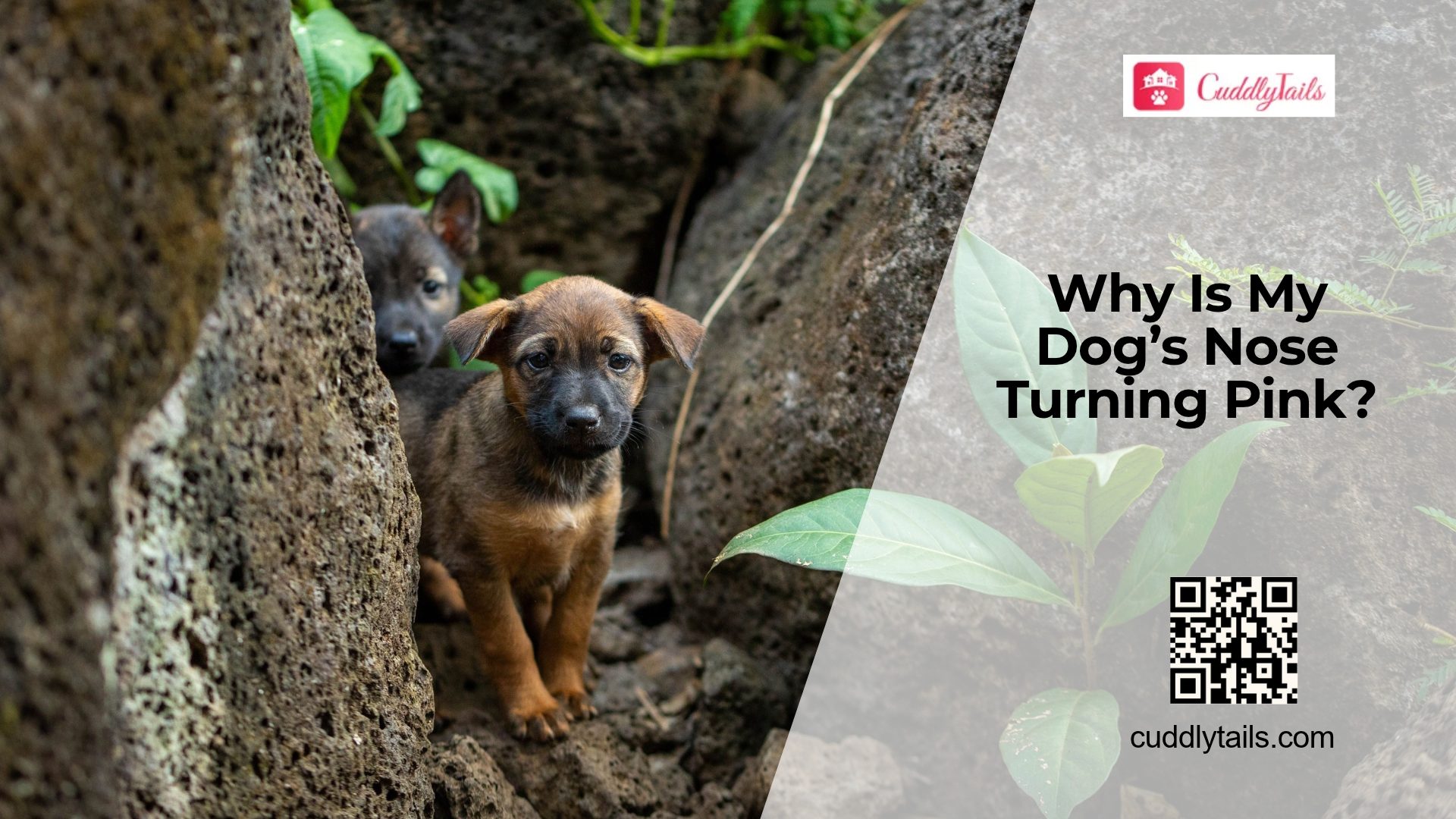
Why Is My Dog’s Nose Changing Color?
Noticed a shift in your dog’s nose color lately? It can be a little surprising, or even worrying, to see your beloved pup’s usually dark nose lighten up or develop new spots. Rest assured, a change in nose color is often a normal part of your dog’s life, much like how human skin can change.
However, sometimes a discolored nose can be a subtle hint about something else going on with your furry friend’s health. Understanding the common reasons behind these changes can help you know when it’s just a cosmetic shift and when it might be time to pay closer attention.
What Exactly Is a Dog’s Nose Color?
Your dog’s nose leather, the tough outer skin on their snout, gets its color from special cells called melanocytes, which produce pigment. This is the same type of pigment that gives your dog their coat color. Most dogs have black noses, but some breeds naturally have brown, pink, or liver-colored noses.
When we talk about a dog’s nose changing color, it usually means this pigment is either increasing, decreasing, or disappearing in certain areas. This can result in a nose becoming lighter, darker, or developing patchy spots. It’s a visible sign of changes happening at a cellular level.
How Does Nose Color Change Affect Your Dog?
For the most part, a simple change in nose color doesn’t bother your dog at all. Many of these changes are purely cosmetic and don’t cause any discomfort or impact their sense of smell. For example, a ‘snow nose’ is just a lighter shade and doesn’t affect their well-being.
Signs of Nose Color Changes to Watch For
Keeping an eye on your dog’s nose is a good habit. While many changes are harmless, knowing what to look for can help you identify when a change might be more than just cosmetic.
Visual Changes in Nose Pigment
These are the most obvious signs and often the first thing owners notice. They involve direct changes to the color of the nose leather itself, which can vary widely depending on the cause.
Look out for areas that have faded from dark to pink or light brown, new dark spots appearing on a previously lighter nose, or a generally patchy appearance where some areas are pigmented and others are not.
Associated Symptoms to Monitor
Beyond just the color, other symptoms appearing with the nose change can be important clues. These can indicate whether the change is a simple cosmetic shift or a sign of an underlying issue.
Watch for excessive dryness, flaking, or crusting of the nose leather, cracks or sores that might be painful or bleed, discharge (runny nose) that is unusual, or if your dog is pawing at their nose more than usual, suggesting irritation or discomfort.
Common Causes Behind a Dog’s Nose Color Change
A variety of factors, from genetics to environment to health conditions, can influence your dog’s nose pigment. Here are some of the most common reasons you might notice a change:
Seasonal or ‘Snow Nose’
This is a very common and completely harmless reason for a dog’s nose to lighten. Often seen in breeds like Golden Retrievers, Labradors, and Huskies, their black nose can turn pink or light brown during colder months.
It’s thought to be due to reduced sunlight exposure or activity of the pigment-producing cells in winter. The good news is that it usually darkens back to its original color when warmer weather returns.
Aging and Genetics
Just like humans can get gray hair, dogs can experience pigment changes as they get older. It’s not uncommon for an older dog’s nose to gradually lighten or become patchy over time.
Certain breeds are also genetically predisposed to nose color changes, such as ‘Dudley nose’ in some breeds, where the nose is naturally pink or liver-colored instead of black due to genetic factors.
Injury or Irritation
If your dog scrapes their nose, gets a cut, or experiences irritation (like from rubbing their nose on rough surfaces), the damaged skin might heal back with less pigment, appearing pink.
Minor burns or frostbite can also cause temporary or permanent pigment loss. Once the injury heals, the color may or may not return to normal.
Allergies and Contact Dermatitis
Some dogs can develop an allergic reaction to plastic food bowls or other objects they frequently contact with their nose. This can lead to irritation, inflammation, and sometimes a loss of pigment.
If you suspect a plastic allergy, switching to stainless steel or ceramic bowls might resolve the issue and allow the nose color to return. Other allergens like certain plants or chemicals can also cause similar reactions.
Autoimmune Diseases
While less common, some autoimmune conditions, like Vitiligo or Discoid Lupus Erythematosus (DLE), can cause pigment loss on the nose. Vitiligo causes patchy depigmentation on the skin and nose.
DLE is a skin disease that can affect the nose, causing it to lose pigment, become dry, crusty, and even ulcerated. These conditions usually require veterinary diagnosis and treatment.
Treatment and Prevention for Nose Color Changes
What you can do for your dog’s nose depends entirely on the cause of the color change. Many changes are harmless and need no intervention, while others might require a vet’s help.
Managing Harmless Changes
For ‘snow nose’ or age-related fading, no specific treatment is needed as these are natural processes. Your dog isn’t bothered by them, and they don’t affect their health.
If you’re concerned about sun exposure on a newly pink nose, especially in light-colored dogs, you can apply pet-safe sunscreen to help prevent sunburn. Always check with your vet for recommended brands.
Addressing Underlying Issues
If the nose change is due to an allergy, like to plastic bowls, simply switching to different materials (stainless steel, ceramic) can often resolve the issue. Keep an eye on other potential allergens in their environment.
For injuries, keep the area clean and prevent your dog from pawing at it. If the injury is deep or doesn’t heal, a vet visit is necessary. For autoimmune conditions, your vet will prescribe specific medications, such as topical ointments or oral medications, to manage the condition and its symptoms.
When Should You See a Vet About Your Dog’s Nose?
While many nose color changes are nothing to worry about, it’s always best to be cautious. If you notice any of these signs alongside a change in nose color, it’s time to schedule a visit with your veterinarian:
When to Seek Immediate Veterinary Care
It’s important to act quickly if your dog’s nose change is accompanied by severe symptoms. These signs could indicate a more serious underlying health issue that requires prompt attention.
Look out for sudden, unexplained color changes, especially if they appear rapidly, or if the nose is bleeding, oozing pus, or has deep, painful cracks or sores. If your dog seems to be in pain when you touch their nose, or if the nose feels hot and swollen, it’s also a clear sign to see the vet right away.
When to Schedule a Non-Urgent Vet Visit
For less severe but persistent changes, a regular vet appointment is a good idea. These situations might not be emergencies, but they still warrant a professional opinion to ensure your dog’s well-being.
Consider a vet visit if the color change is accompanied by dryness, flaking, or crusting that doesn’t improve with simple moisturizing, if your dog is pawing at their nose frequently, or if you’re simply worried and want reassurance that your dog’s nose change is normal.
Get help from a CuddlyTails AI vet here.
Conclusion
Seeing your dog’s nose change color can be a little unsettling, but as we’ve explored, it’s often a completely normal and harmless occurrence. From seasonal shifts to the natural process of aging, many reasons for depigmentation are simply cosmetic and no cause for alarm.
However, being an observant pet parent means knowing when to seek professional advice. If your dog’s nose change comes with discomfort, pain, or other worrying symptoms, don’t hesitate to contact your veterinarian. They can help you understand the cause and ensure your furry friend stays happy and healthy.
Frequently Asked Questions
Why is my dog’s nose turning pink in winter?
Your dog might have ‘snow nose,’ a common and harmless condition where the nose pigment lightens in colder weather and often darkens again in warmer months.
Can a dog’s nose change color as they get older?
Yes, it’s very common for a dog’s nose to naturally lighten or fade in color as they age, much like their fur might gray, and it’s usually nothing to worry about.
Are some dog breeds more likely to have a nose color change?
Definitely! Certain breeds like Golden Retrievers or Siberian Huskies are genetically predisposed to nose color changes, which is a normal trait for them.
Could my dog’s food bowl be making their nose change color?
Sometimes, contact with plastic food or water bowls can cause a dog’s nose pigment to lighten. Switching to stainless steel or ceramic bowls often helps.
Can too much sun make my dog’s nose lighter?
Prolonged sun exposure can sometimes cause a dog’s nose pigment to fade or lighten, similar to how human skin can tan or burn. It’s a good idea to limit direct sun exposure during peak hours.