
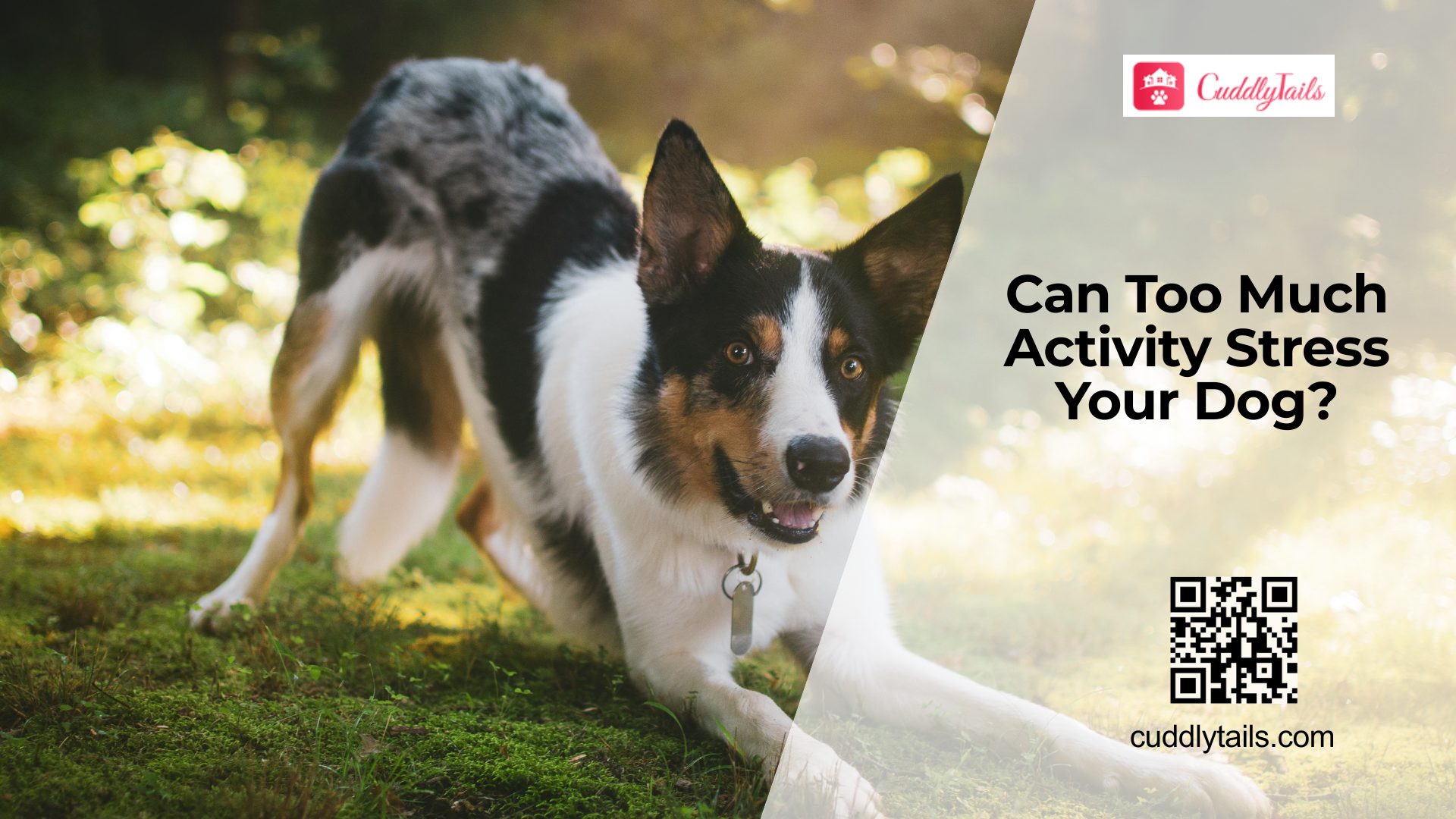
Can Dogs Experience Stress from Over-Stimulation?
Many dog owners assume their pets are simply “excited” when they run around wildly, bark nonstop, or seem unable to settle. In reality, dogs can experience significant stress from over-stimulation, just like humans. Over-stimulation happens when a dog receives more sensory input than their nervous system can handle, loud noises, too many people, constant activity, or chaotic environments. This overload triggers the same stress response as fear or separation anxiety, releasing cortisol and putting the dog in a state of fight-or-flight. Understanding whether your dog is over-stimulated is the first step toward helping them feel calm and secure.
What Is Over-Stimulation in Dogs?
Over-stimulation in dogs occurs when the brain receives too many signals at once from sight, sound, smell, or touch. Unlike humans who can verbalise overload, dogs show it through behaviour. A typical example is a dog at a busy dog park: the constant motion, barking, and new smells quickly overwhelm their senses. Puppies and high-energy breeds are especially vulnerable because their developing or highly responsive nervous systems have lower thresholds. Even calm dogs can become over-stimulated during holidays, parties, or fireworks. Recognising this as genuine stress rather than “just excitement” helps owners respond appropriately instead of encouraging more activity.
Common Signs Your Dog Is Over-Stimulated
Dogs communicate over-stimulation through clear but often misunderstood signals. Excessive panting when it’s not hot is one of the earliest signs. Pacing, restlessness, or inability to settle even after exercise is another. Some dogs become hyperactive zooming around the house or barking frantically while others shut down, hiding under furniture or avoiding interaction. Additional clues include lip licking, yawning when not tired, whale eyes (showing the whites), or sudden aggression when touched. In severe cases, dogs may have accidents indoors or refuse food. If your dog shows several of these behaviours after busy events or play sessions, over-stimulation stress is likely the culprit.
Why Over-Stimulation Causes Stress in Dogs
Dogs process the world primarily through smell and sound, which are far more sensitive than ours. When too many stimuli hit at once, the brain’s amygdala triggers a stress response, flooding the body with cortisol and adrenaline. This is the same mechanism used for real threats, so the dog feels genuinely anxious even if the situation is “fun” for humans. Repeated over-stimulation keeps cortisol levels elevated, weakening the immune system and making the dog more reactive over time. Breeds with high prey drive or working heritage, such as Border Collies and Australian Shepherds, are wired for constant alertness, so they reach overload faster than calmer breeds like Bulldogs.
Breeds Most Prone to Over-Stimulation Stress
Certain breeds are genetically predisposed to over-stimulation because of their original purpose. Herding breeds like Australian Shepherds and Border Collies were bred to notice every movement and sound, making them highly reactive. Terriers and hounds have strong hunting instincts that keep their senses on high alert. Even some companion breeds, such as Chihuahuas or Jack Russells, can become over-stimulated easily due to their small size and big personalities. Understanding your dog’s breed tendencies helps you tailor activities and environments to prevent stress rather than accidentally triggering it.
How to Prevent Over-Stimulation in Dogs
Prevention is far easier than managing a meltdown. Start by creating a predictable daily routine with quiet periods built in. Limit high-stimulation activities like long play sessions or crowded parks to short, controlled bursts. Use a “quiet zone” in your home: a crate or corner with a familiar bed and white noise machine where your dog can retreat when things get too busy. Teach a strong “settle” cue on a mat using positive reinforcement. During holidays or parties, provide a safe room away from guests. For puppies, gradual exposure to new experiences prevents future overload. Consistent prevention keeps cortisol levels low and helps your dog stay balanced.
Practical Ways to Calm an Over-Stimulated Dog
When over-stimulation has already happened, quick calming techniques can help. Move your dog to a quiet, dimly lit space and reduce noise. Offer a frozen lick mat with plain yogurt or peanut butter (xylitol-free) to redirect focus through licking, which naturally lowers heart rate. Gentle massage along the spine or pressure wraps like ThunderShirts provide comforting deep pressure. Some dogs respond well to calming music or pheromone diffusers. Avoid punishment or forcing interaction, these increase stress. Once calm, a short, slow walk in a quiet area helps reset the nervous system without adding more stimulation.
Long-Term Strategies for Managing Over-Stimulation Stress
Building resilience takes time and consistency. Incorporate daily mental enrichment such as puzzle toys or scent games to tire the brain without physical exhaustion. Teach relaxation protocols like “down-stay” on a mat with rewards for calmness. For dogs with severe over-stimulation, consult a certified force-free trainer or veterinary behaviourist. In some cases, short-term anti-anxiety medication combined with behaviour modification gives the best results. Regular exercise tailored to your dog’s energy level (not overdone) helps burn excess energy and reduces baseline stress. These long-term habits transform an easily over-stimulated dog into one who can handle everyday life with confidence.
When to Seek Professional Help
Not every dog can overcome over-stimulation with home strategies alone. If your dog shows intense fear responses, destructive behaviour during stimulation, or aggression when overwhelmed, professional help is essential. A veterinary behaviourist can rule out medical causes and create a custom desensitisation plan. Early intervention prevents the problem from becoming entrenched and improves success rates dramatically. Never hesitate to seek expert guidance, your dog’s emotional well-being is worth the investment.
You can reach out to a Cuddlytails vet here.
Conclusion
Dogs absolutely can experience stress from over-stimulation, and recognising this is the first step toward helping them feel safe and balanced. By understanding the signs, reducing triggers, using calming techniques, and building long-term resilience, you can prevent unnecessary anxiety and improve your dog’s quality of life. Every dog deserves an environment where they can relax and enjoy life without feeling overwhelmed. Start small today, create a quiet zone, teach a calm cue, and monitor your dog’s responses. With patience and the right approach, even the most easily over-stimulated dogs can learn to thrive.
FAQs
Can over-stimulation cause aggression in dogs?
Yes, many dogs show fear-based aggression when overwhelmed. Managing stimulation levels reduces this risk.
How long does it take to calm an over-stimulated dog?
Most dogs settle within 30–60 minutes in a quiet space. Severe cases may need longer or professional help.
Are certain breeds more prone to over-stimulation?
Yes, herding breeds, terriers, and high-energy working dogs are most affected due to their genetic drive.
What’s the best way to prevent over-stimulation?
Maintain a predictable routine, provide a safe quiet zone, and limit high-stimulation activities to short sessions.
Can medication help an over-stimulated dog?
Short-term anti-anxiety medication prescribed by a vet can help while behaviour modification takes effect.